
Flower bulbs
600 Products
Sort by :




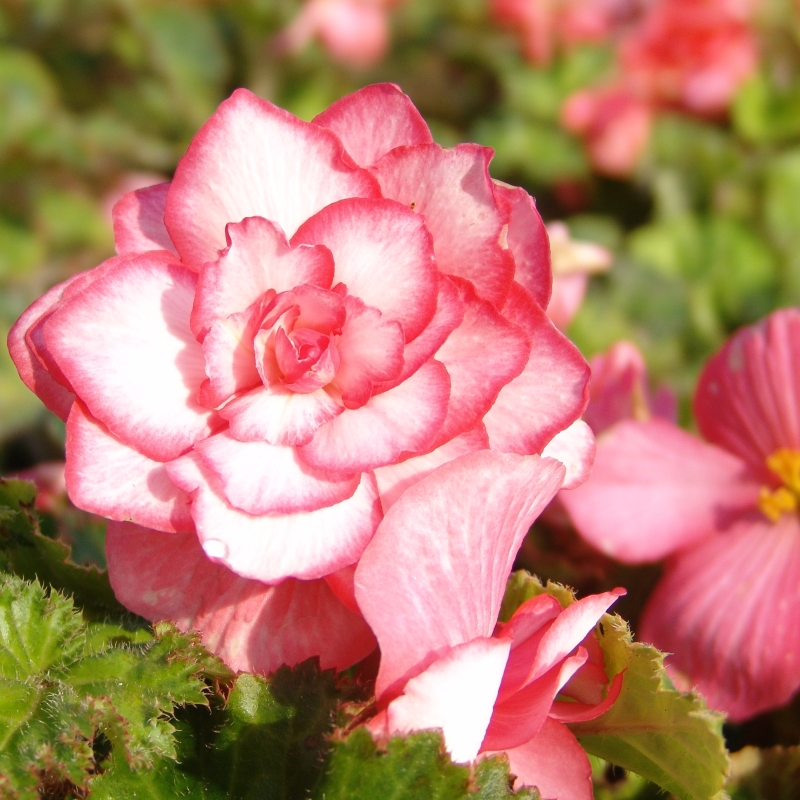
Buy Premium Flower Bulbs Online from QFB Gardening
With flower bulbs, you can achieve maximum impact with minimal effort. They reliably bring color, fragrance, and joy to your garden, balcony, or terrace. At QFB Gardening, you will find carefully selected flower bulbs from Holland in premium quality — backed by our 100% growth and flowering guarantee.
Our extensive and diverse assortment ranges from classic tulips to decorative waxed Amaryllis . Whether you are looking to redesign your garden or add specific accents, when you buy flower bulbs from QFB Gardening, you are investing in long-lasting beauty that transforms any outdoor space into a blooming paradise.
What Are Flower Bulbs?
Flower bulbs are small, natural storage organs from which flowers grow. Structurally, a flower bulb already contains all the essential plant parts — from the roots and stem to the flower bud — as well as the nutrients required for sprouting. Once planted, they independently develop roots, leaves, and blossoms, making them exceptionally reliable in their growth. They are ideal for garden beds, containers, and balcony boxes, allowing for precise planning of bloom times and vibrant color accents.
Interesting Facts About Flower Bulbs
For centuries, flower bulbs have fascinated gardeners worldwide. The famous "Tulip Mania" of the 17th century even turned them into coveted luxury objects. Today, these once-royal beauties are accessible to every gardening enthusiast — more robust, diverse, and easier to maintain than ever before.
The Netherlands is globally recognized as the center of flower bulb breeding. Thanks to state-of-the-art cultivation methods and decades of expertise, we produce particularly strong and resilient varieties. QFB Gardening works closely with specialized Dutch growers to offer you exclusively high-quality bulbs that reward you with healthy development and an impressive abundance of flowers.
Why Flower Bulbs Are Essential for Every Garden
Flower bulbs offer a variety of benefits that make them particularly attractive to hobby gardeners. Compared to established perennials or seedlings, they are significantly more cost-effective, easier to care for, and simpler to transport and store. They are also more resistant to weather fluctuations and develop blooms with great reliability.
Whether in a flower bed, a pot, or on a balcony, flower bulbs can be strategically placed and combined to create a special atmosphere filled with vibrant colors and pleasant scents. They are the ideal choice for gardeners who value quality, blooming joy, and predictability without the high costs and intensive care associated with pre-grown plants.
Top 10 Most Popular Flower Bulb Varieties
There are countless varieties of flower bulbs, each with unique colors, shapes, sizes, and characteristics. Some are prized for being robust and low-maintenance, while others stand out due to extraordinary flower shapes or intense fragrances. At QFB Gardening, we offer a wide range of the most popular and proven bulbs and tubers for both beginners and experts. Our customers' favorites include:
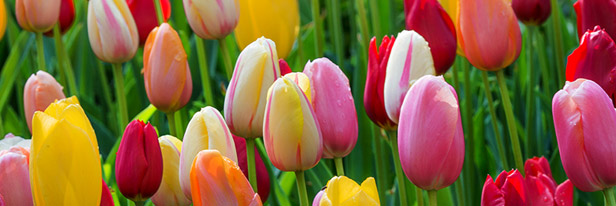
- Tulips: Versatile spring bloomers available in almost every imaginable shade.
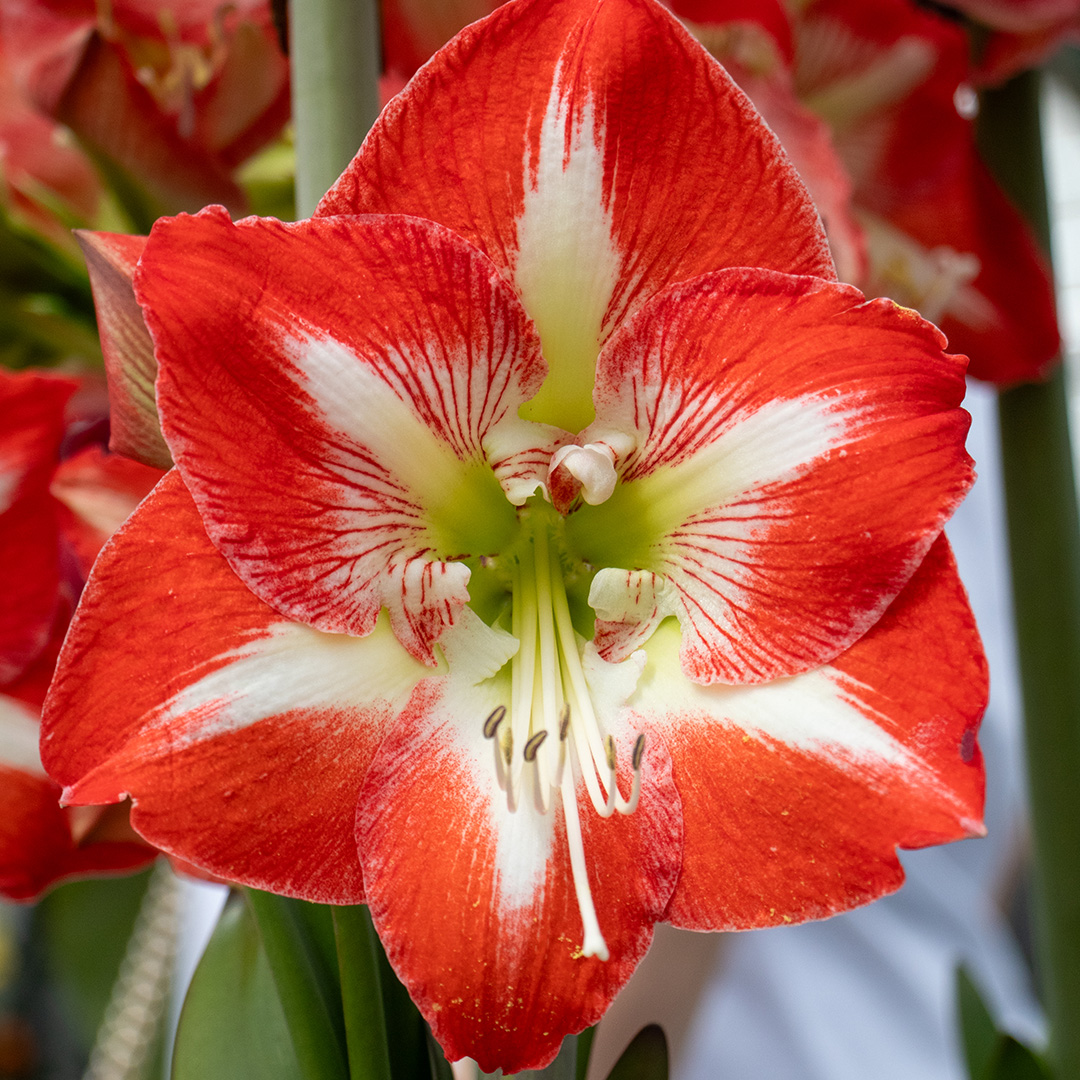
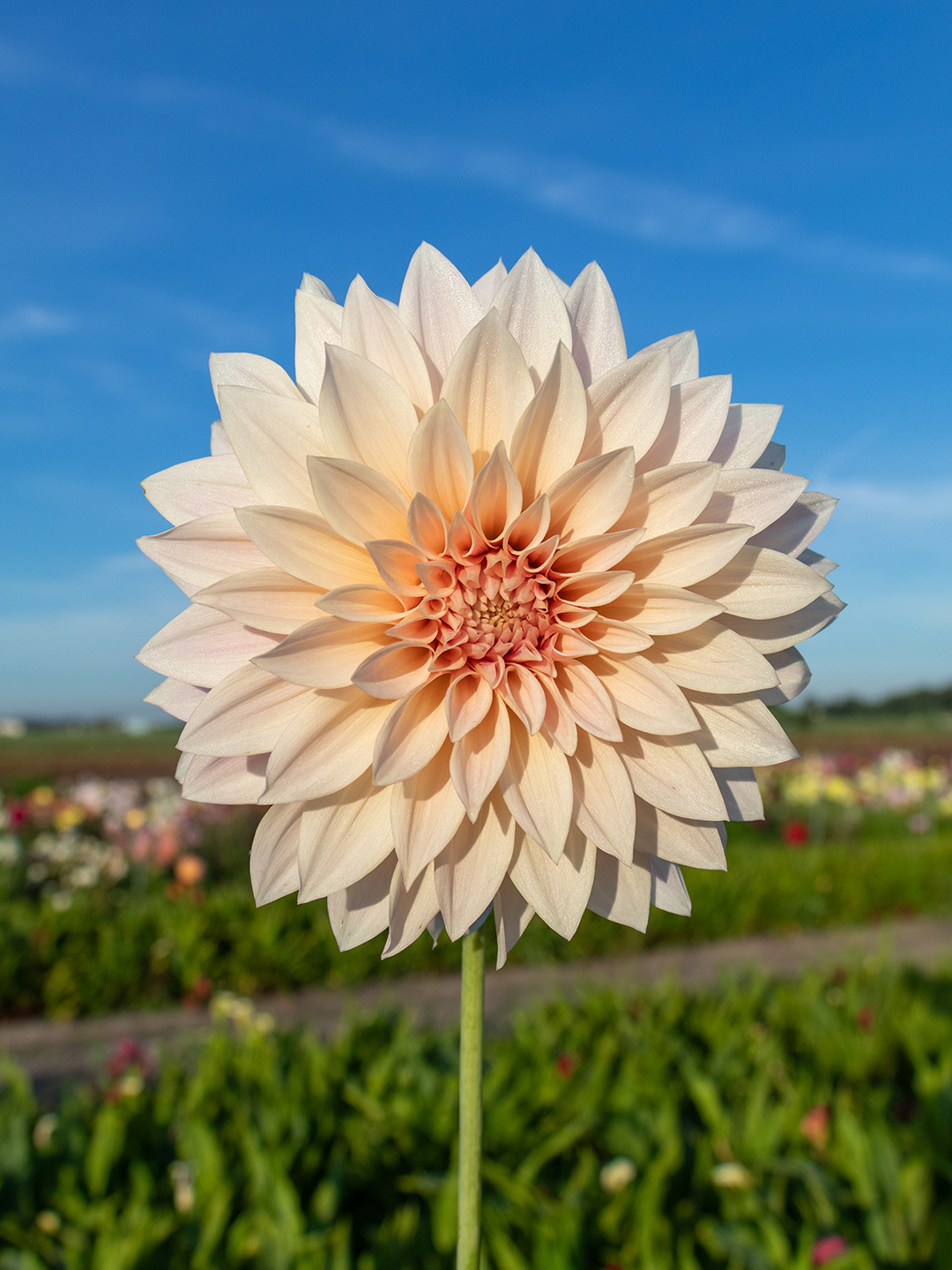
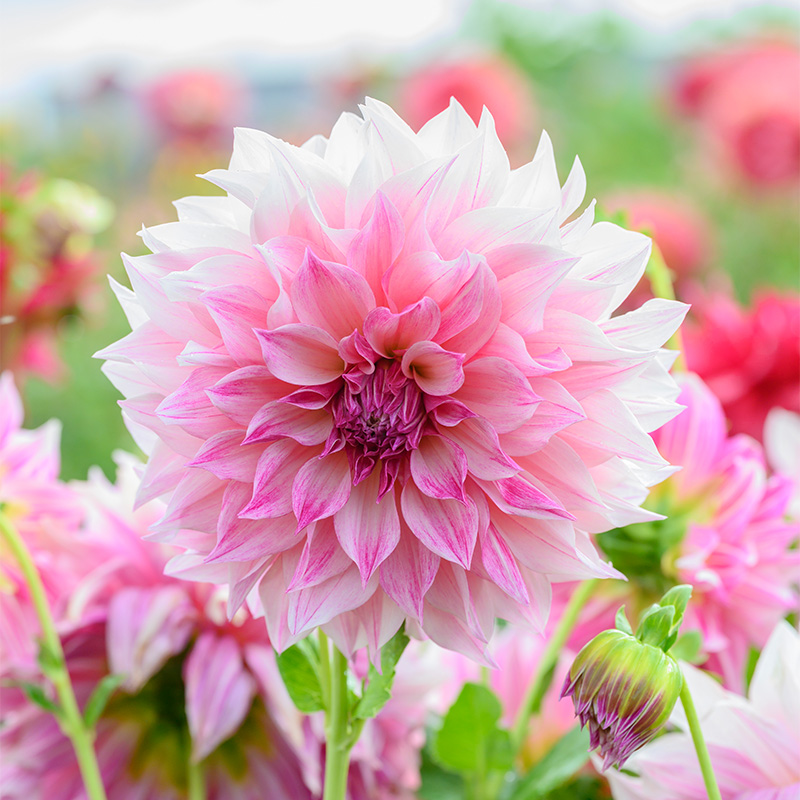
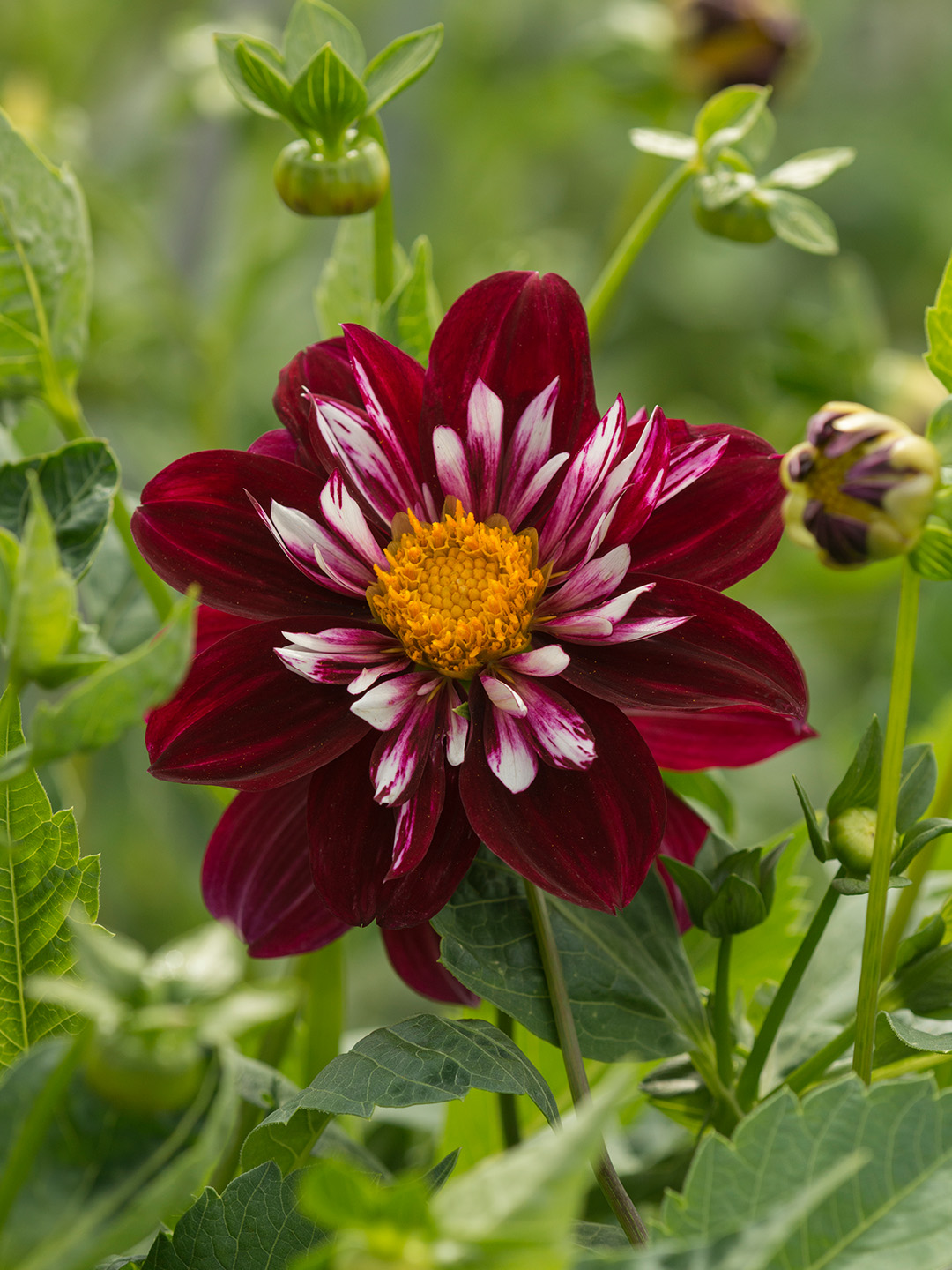
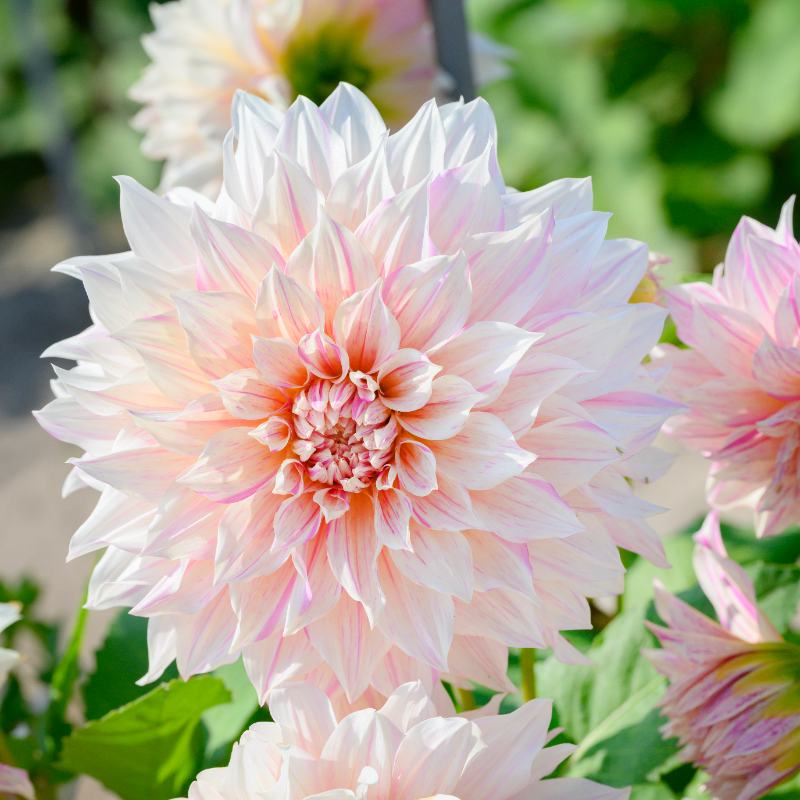
- Amaryllis: Known for their striking, large blooms; also available in our popular waxed Amaryllis collection. • Dahlias: Magnificent summer flowers with high color intensity.
- Daffodils (Narcissus): Robust and cheerful messengers of spring, ideal for naturalizing.
- Crocuses: The very first flowers to appear after winter, providing fresh color accents.
- Allium (Ornamental Onion): Striking, globe-shaped flower heads that add structure to your garden beds.
- Hyacinths: Famous for their intense, sweet fragrance and dense clusters of flowers.
- Lilies: Impressive upright plants with elegant and dramatic blossoms.
- Gladioli: Tall, straight flower spikes that are also perfect as cut flowers.
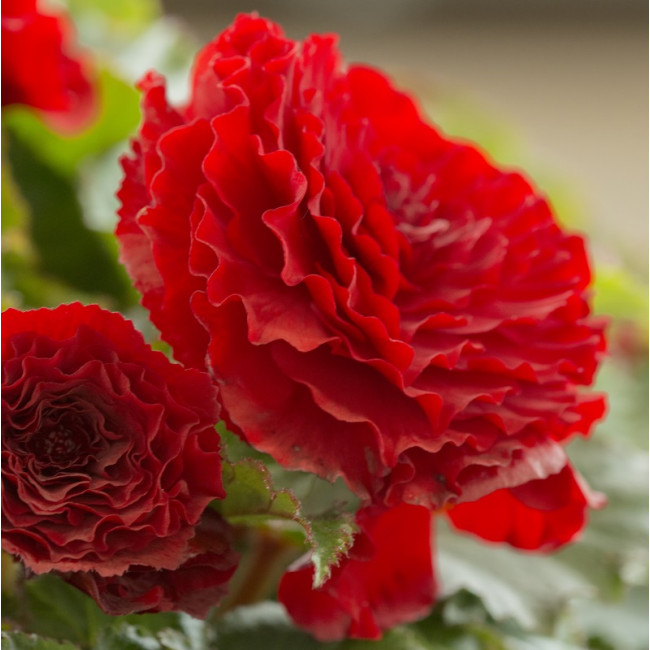
- Begonias: Persistent bloomers that thrive even in the shade, making them ideal for balconies and terraces.
Understanding the Bloom Time of Flower Bulbs
To keep your garden attractive for many months, it is best to combine Spring Flowering Bulbs, early bloomers and Summer Flowering Bulbs strategically.
- Spring Flowering Bulbs (Early Bloomers): These plants sprout and bloom in early spring, such as tulips, hyacinths, or daffodils. They provide the first splashes of color after the winter and announce the start of the new gardening season.
- Summer Bloomers: These varieties develop later, ensuring that the garden remains vibrant through late summer and into early autumn. Typical examples include dahlias, gladioli, and lilies.
By coordinating the planting of both categories, you can optimally extend the flowering season of your garden, creating a space that offers new highlights and remains visually interesting all year round.
Garden Design with Flower Bulbs
Using different varieties, heights, and bloom times allows you to design dynamic garden beds with depth and structure. By combining low-growing early bloomers with taller summer bloomers and setting targeted color accents, you can turn your garden into a true eye-catcher.
The Best Planting Time for Flower Bulbs
At QFB Gardening, you will find detailed instructions for every variety on our product pages, including information on the ideal location and planting time. Generally, Spring Flowering bulbs are planted in the autumn (fall) of the previous year, while summer-blooming bulbs are planted in the spring.
How to Plant Flower Bulbs
Even beginners can easily plant flower bulbs with just a few tips. It is important to remember that every bulb has a bottom (where the roots grow) and a top (where the stem and flower emerge).
- Alignment: Ensure the bulb is oriented correctly (pointed side up).
- Planting: Once placed, simply cover with soil, press down lightly, and water if necessary.
- Ease of Use: Most bulbs require no complicated care during the planting process, making them the easiest way to quickly create a beautiful blooming area.
How to Store Flower Bulbs
Flower bulbs can be kept for a certain period before planting. For successful storage, bulbs need a cool, dry, and well-ventilated environment to prevent mold or premature sprouting. Generally, bulbs can be stored for several weeks to a few months, as long as they are protected from moisture and direct sunlight.
Overwintering Your Flower Bulbs
After the blooming period, the steps for overwintering depend on the hardiness of the variety:
- Hardy Bulbs: Varieties like tulips, daffodils, and crocuses can remain in the ground and will sprout again the following year.
- Non-Hardy Bulbs: Varieties like dahlias, gladioli, and begonias should be dug up in autumn, cleaned of soil, and stored in a cool, dry, frost-free place until they can be replanted in the spring.
Naturalizing Flower Bulbs
Only perennial and hardy bulbs are suitable for naturalizing. Some varieties are naturally more prone to spreading than others. Robust types such as crocuses, daffodils, grape hyacinths (Muscari), or wild tulips are particularly effective. They do not need to be dug up for winter; instead, they spread gradually over time, forming dense and natural-looking carpets of flowers year after year with very little effort.
Buy Dutch Flower Bulbs Online at QFB Gardening — Quality Since 1926
For nearly a century, QFB Gardening has been a name synonymous with expertise and passion in horticulture. In addition to our standard range, we offer practical XL-Packs and varied mixed packs (bulb collections) for harmonious color combinations. You can also find high-quality bulbs at a discount in our SALE section.
When you shop at QFB Gardening, you benefit from:
- 100% Bloom Guarantee
- Experience since 1926
- Best bulb sizes
- Fast shipping
Visit our blog for more planting and care tips. If you have any questions, feel free to contact us for expert advice. Order your flower bulbs online at QFB Gardening today and enjoy your personal floral paradise soon!
Frequently Asked Questions (FAQ)
When should you plant flower bulbs?
Spring-flowering bulbs (tulips, daffodils, crocuses) are planted in the autumn, usually between September and November. Summer-flowering bulbs (dahlias, gladioli) are planted in the spring, once the threat of heavy frost has passed.
How do I plant flower bulbs correctly?
The bulb should be placed with the bottom side down and the tip pointing up. Cover it with soil, press lightly, and water if needed. Detailed, variety-specific tips can be found on our product pages.
How deep should flower bulbs be planted?
A good rule of thumb is to plant bulbs at a depth two to three times the height of the bulb itself. Therefore, larger bulbs are planted deeper than smaller ones.
When is the latest I can plant flower bulbs?
Spring bloomers should be in the ground before the soil freezes permanently. Summer bloomers are typically not hardy and should go into the ground when severe frost is no longer expected (often around mid-May, after the "Ice Saints").
What happens if I plant flower bulbs too late?
If spring bloomers are planted too late, the bloom may be weaker or may not appear at all because they require a cold period to trigger flowering. If summer bloomers are planted late, they will still bloom, but the flowers may be smaller and the blooming period shorter.
How long do flower bulbs take to grow?
Depending on the variety, it takes several weeks to months from planting to blooming. Spring Flowering Bulbs, Early bloomers, appear in early spring, while summer bloomers generally start flowering from early summer onwards.
Do flower bulbs multiply?
Many bulbs multiply over time through "daughter bulbs." After flowering, the plant stores energy through its leaves, creating small new bulbs underground that can grow independently the following year.
Which flower bulbs are perennial?
Examples of perennial bulbs include wild tulips, daffodils, and crocuses. While non-hardy summer bulbs like dahlias can return year after year, they must be dug up and stored frost-free to survive.
How long can flower bulbs be stored?
Unplanted bulbs can be stored for several weeks to a few months in a cool, dry, and airy location. It is vital to protect them from moisture to avoid mold.